Future of transit
Sustainable mobility for a cleaner urban environment
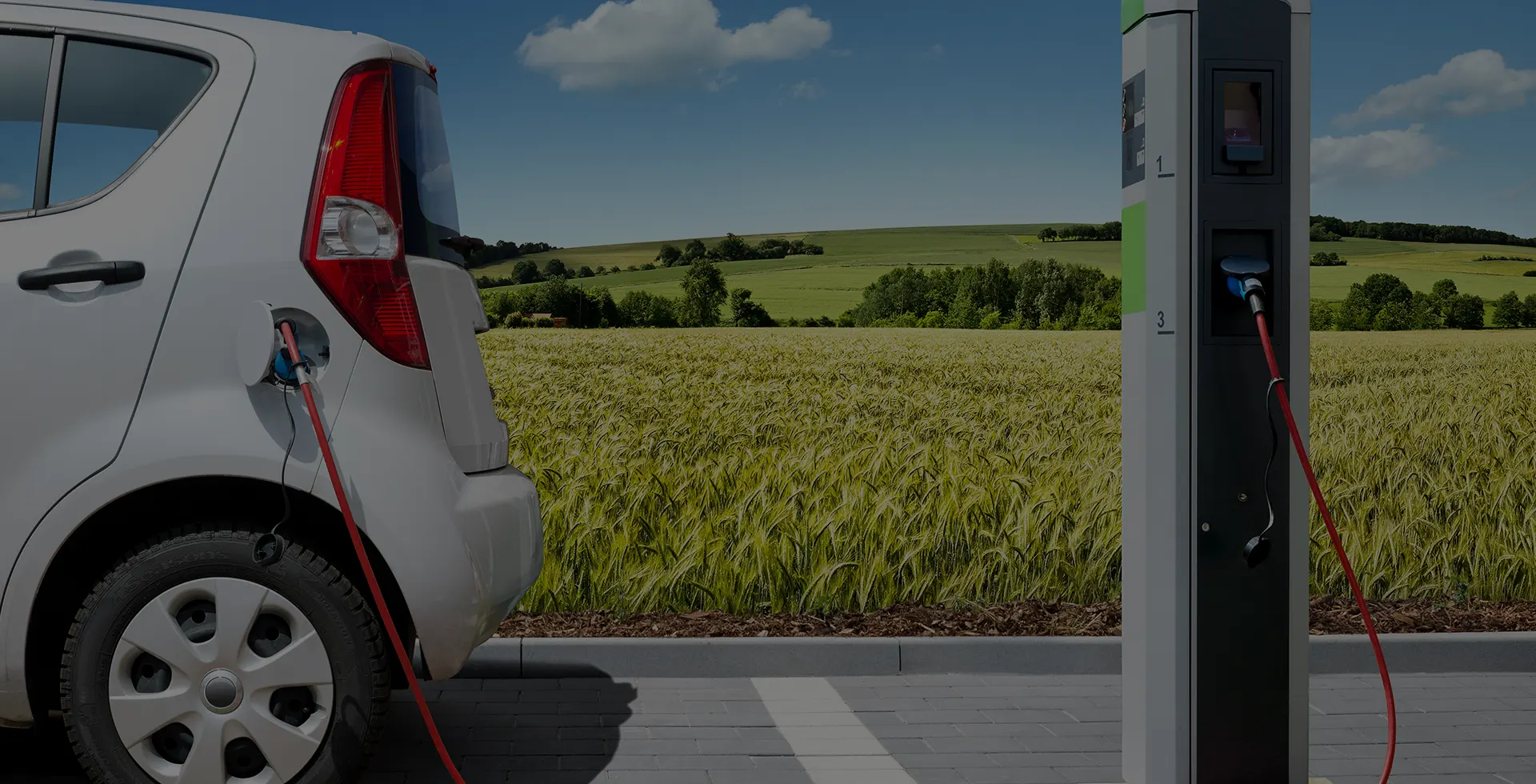
Cities worldwide are undergoing a fundamental shift as internal combustion engines give way to low-emission, high-efficiency urban mobility solutions designed to reduce carbon footprints and improve air quality for all residents.
Pioneering green innovations
Next-generation hydrogen fuel cells offer commercial heavy-duty vehicles the extended range for long-haul routes. This eliminates NOx and particulate matter emissions, creating a sustainable freight logistics model.
Smart grid integration
Bidirectional V2G (Vehicle-to-Grid) technology allows EV fleets to store renewable energy, balancing electrical loads and stabilizing power networks during peak demand periods.
The rise of electric transportation
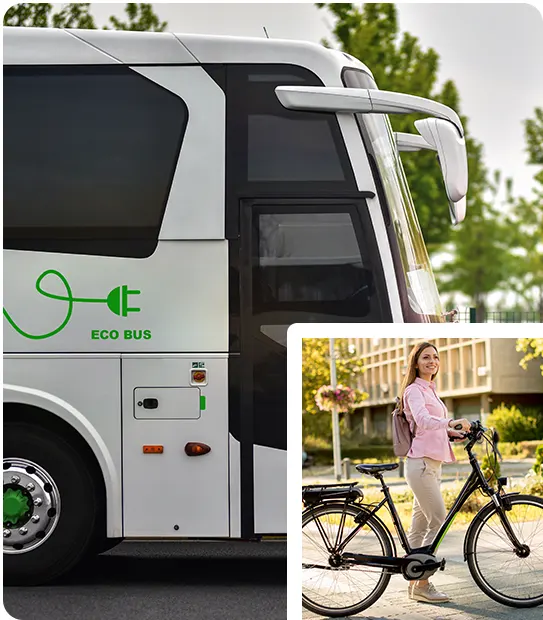
EV battery technology has evolved rapidly, enabling personal vehicles and zero-emission commercial fleets to achieve greater range on a single charge while lowering total cost of ownership (TCO) compared to fossil fuel alternatives.
Public charging infrastructure is expanding into residential areas and transport hubs, creating a seamless network that eliminates range anxiety. DC fast charging stations delivering an 80% charge in under 20 minutes make long-distance electric travel viable.
- Lithium battery recycling
- Fast charging networks
- Zero-emission fleets
Diverse alternative transportation modes
Shared micromobility solutions are redefining first- and last-mile connectivity between transit hubs and destinations, reducing reliance on personal cars. These flexible, on-demand transport systems integrate with existing urban infrastructure to create fluid movement.

Active cycling
Dedicated protected bike lanes foster safer active commuting routes for urban cyclists.

Shared mobility
Dynamic carpooling apps reduce traffic congestion by increasing vehicle occupancy rates, effectively filling empty seats on daily commutes.

Pedestrian zones
Walkable city centers and low-traffic neighborhoods boost local commerce and encourage active travel as a healthy, natural alternative.

Micro-transit
Shared e-scooters offer quick, dockless urban connectivity for short to medium distances, complementing public transit networks.

Efficient public & mass transportation
High-capacity transit systems form the backbone of metropolitan areas. They move thousands of passengers hourly, minimizing the urban footprint of private cars and reducing per-capita energy consumption.
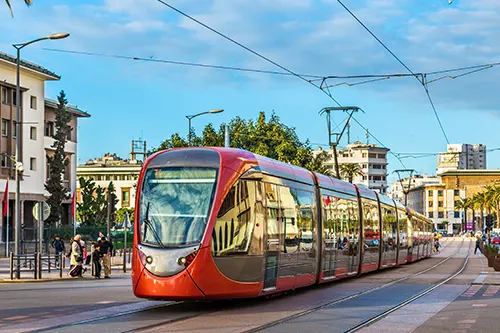
Modern light rail
Trams glide silently through city centers, connecting suburbs to central business districts with zero localized emissions.
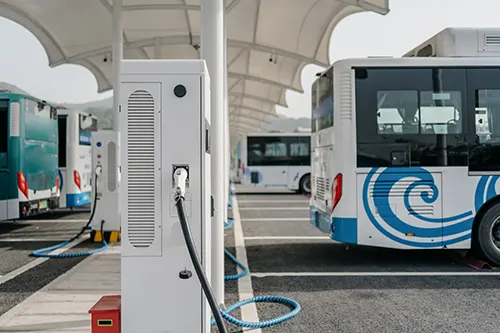
Bus rapid transit
Dedicated lanes allow BRT systems to bypass gridlock, providing the service reliability and speed of a metro system at lower cost.
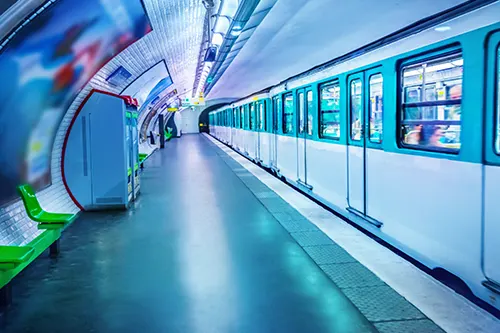
Subway networks
Underground tunnels facilitate high-frequency rapid transit beneath dense urban sprawl, ensuring schedule adherence and punctuality.
Supply chain efficiency
Optimizing logistics & freight transportation
Global supply chains are adopting battery-electric trucks (BETs) and AI-powered routing software to decrease the environmental impact of intermodal freight, ensuring commercial transport aligns with climate goals.
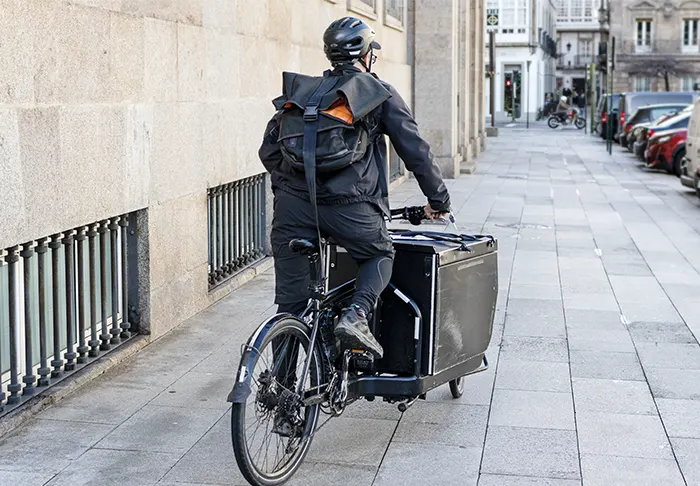
Last-mile delivery solutions
Electric cargo bikes and vans are replacing diesel trucks in urban low-emission zones, ensuring quiet deliveries without smog. Automated micro-fulfillment centers consolidate shipments to reduce daily delivery trips, streamlining operations and cutting urban congestion.
Route optimization software analyzes live traffic data to plan the most efficient delivery routes, saving fuel and reducing engine idling time for drivers navigating complex urban streets.
Eco-friendly moving
Strategies for eco-friendly moving
Relocating a home or office is an opportunity to minimize waste. Choose sustainable packing supplies and certified carbon-neutral moving services to lower the environmental footprint of the transition process.
01
Reusable packing
Rentable, heavy-duty crates replace cardboard boxes, protecting items and promoting a circular economy model by eliminating single-use waste.

02
Consolidated transport
Grouping shipments allows movers to achieve full truckload (FTL) capacity, reducing fuel consumption per household relocated.

03
Route optimization
GPS planning avoids traffic congestion and idling, ensuring the most fuel-efficient moving route to the new destination.
Infrastructure growth
Building infrastructure for tomorrow
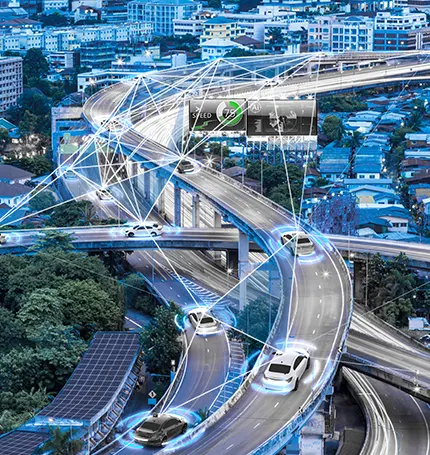
The transition to green mobility requires robust smart infrastructure, both physical and digital, to support the ecosystem of connected and autonomous vehicles (CAVs), ensuring sustainability for metropolitan regions.
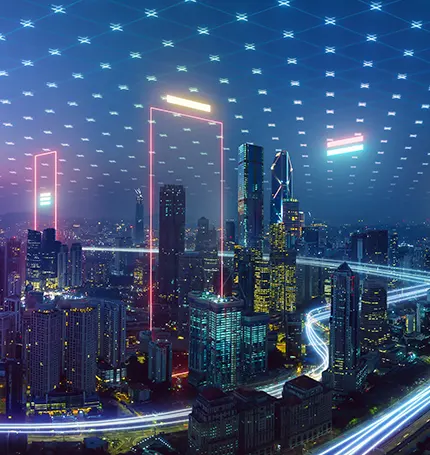
Smart city planning
Urban planners now implement « Vision Zero » policies, prioritizing pedestrian safety over vehicle throughput.
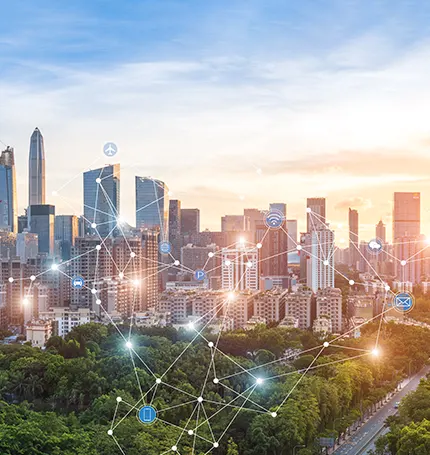
Urban connectivity
IoT sensors monitor multimodal traffic flow to enable adaptive traffic signal control.

Renewable energy
Integrated solar panels power streetlights and public EV charging points off-grid.
Future transit
Shared autonomous vehicles (SAVs) will soon provide demand-responsive transit connecting neighborhoods seamlessly.
Global networks
Connecting communities sustainably
Developing integrated multimodal transit corridors links rural areas with urban centers without increasing emissions. This holistic approach ensures equitable mobility access for all, preserving landscapes and reducing the environmental impact of regional and intercity travel.